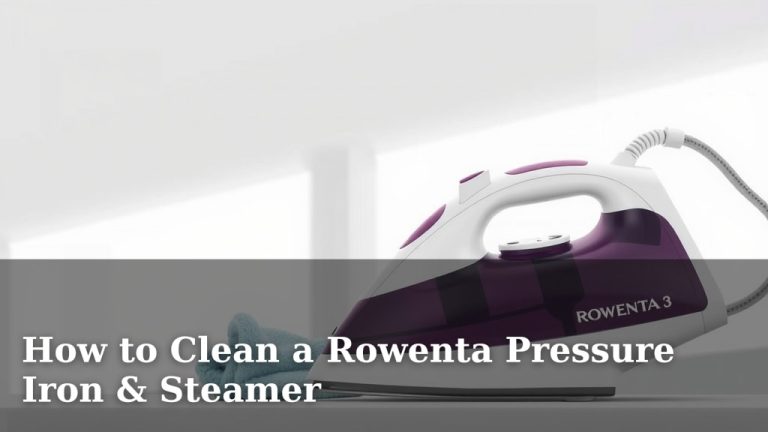
How to Clean the Inside of My Steam Iron
The easiest way to clean the inside of your steam iron is by using distilled water and vinegar or a commercial iron cleaner. This helps to remove mineral buildup and gunk that can clog your iron’s steam vents. Getting rid of this grime ensures your iron produces smooth, consistent steam for wrinkle-free clothes.
Over time, minerals from tap water can build up inside your iron. This buildup can lead to brown stains on your clothes. A clean iron is essential for effective garment care and extending the life of your appliance. We’ve researched the best methods to tackle this common household problem.
- Use distilled water and vinegar.
- Try a commercial iron cleaner.
- Self-cleaning features can help.
- Regular maintenance is key.
Ready to get your iron steaming like new? Let’s walk through exactly how to clean the inside of your steam iron, step by step.
Keeping Your Steam Iron’s Interior Pristine
You want your steam iron to glide smoothly and banish wrinkles effortlessly. But mineral deposits and residue can clog those vital steam vents. This gunk makes your iron spit and sputter, leaving brown spots on your favorite shirt. Learning how to clean the inside of your steam iron is key. It ensures you get consistent, clean steam every time. This simple maintenance can save your clothes and your iron. We’ve researched the most effective methods for you.
The Importance of Using Distilled Water
The easiest way to prevent internal buildup is by using the right water. Tap water contains minerals like calcium and magnesium. These minerals bake onto the heating elements inside your iron. Over time, they form a hard scale. This scale eventually clogs the steam vents. Many appliance manufacturers recommend using distilled water or demineralized water. This is the first line of defense. You can find distilled water at most grocery stores. It’s inexpensive and makes a big difference.
Method 1: The Vinegar and Distilled Water Flush
This is a tried-and-true method. It’s often recommended because it’s effective and uses common household items. You’ll need white vinegar and distilled water. This process gently dissolves mineral buildup. It also helps clear out any fabric softener residue. Let’s walk through how to do it safely.
Preparing Your Iron for Cleaning
First, unplug your iron. Make sure it’s completely cool. You don’t want to risk a burn. Empty any remaining water from the reservoir. You can do this by tipping the iron over a sink. This removes any loose debris. Ensuring your iron is cool is a critical safety step. Never attempt to clean a hot iron.
The Vinegar and Water Mixture
Many experts suggest a 1:1 ratio of white vinegar to distilled water. So, if your iron’s reservoir holds 1 cup of water, use half a cup of vinegar and half a cup of distilled water. Some sources suggest a stronger solution for heavily clogged irons, but starting with 1:1 is safest. This mixture is acidic enough to break down mineral deposits. It’s also gentle enough for most iron interiors. Avoid using harsher chemicals or abrasive cleaners.
Running the Cleaning Cycle
Pour the vinegar and distilled water mixture into the iron’s water reservoir. Plug the iron back in and turn it to a medium-high heat setting. Let the iron heat up for about 5 minutes. Then, turn off the steam function. Hold the iron horizontally over a sink or old towel. Gently press and hold the steam button. You should see steam and some murky water come out of the vents. You might even see small particles. This is the gunk being flushed out. Repeat this step, pressing the steam button periodically. Do this until the reservoir is empty. This can take several minutes. Be patient; you’re doing a great job!
Rinsing and Final Flush
Once the vinegar mixture is gone, unplug the iron again. Let it cool completely. Rinse the reservoir with clean distilled water. Then, fill it with fresh distilled water. Plug the iron back in and heat it up again. This time, you’ll run a plain water flush. Hold the iron over a clean cloth or sink. Press the steam button repeatedly until all the fresh water is used up. This final flush removes any lingering vinegar smell or residue. It ensures your next ironing session is fresh and clean.
Method 2: Using a Commercial Iron Cleaner
If you prefer a product specifically designed for this task, commercial iron cleaners are available. These often come in liquid or paste form. They are formulated to dissolve mineral buildup effectively. Always follow the manufacturer’s instructions precisely. Some cleaners require a similar flushing process to the vinegar method. Others might have slightly different application steps. It’s important to read the label carefully. Using a commercial cleaner can be a quick and efficient solution.
Checking Your Iron’s Manual for Specifics
Every iron is a little different. Some high-end irons have a self-cleaning feature. This is often activated by a button on the iron. Check your iron’s manual to see if it has this. If it does, this feature can be a lifesaver. It’s designed to flush out impurities. Always refer to your owner’s manual for the most accurate cleaning instructions for your specific model. The manual is your best friend here.
When to Seek Professional Help or Replace Your Iron
If you’ve tried these cleaning methods and your iron still spits brown water or doesn’t produce steam, it might be severely clogged. Sometimes, the mineral buildup is too extensive to remove with simple cleaning. In such cases, consider if the iron is worth repairing. If it’s an older or inexpensive model, it might be more cost-effective to replace it. For newer, high-quality irons, you might consult the manufacturer or a repair professional. But for most situations, a good cleaning should do the trick!
Quick Checklist for a Sparkling Interior
- Always use distilled water.
- Unplug and cool the iron before cleaning.
- Try the vinegar and distilled water flush.
- Follow commercial cleaner instructions carefully.
- Check your manual for a self-cleaning function.
- Perform regular maintenance to prevent buildup.
Conclusion
Keeping your steam iron’s interior clean is key for perfectly pressed clothes. You’ve learned how mineral buildup can cause brown stains and clog steam vents. By using distilled water regularly and performing simple cleaning routines, you can prevent these issues. The vinegar and distilled water flush is an effective DIY method. Commercial cleaners offer a convenient alternative. Remember to always consult your iron’s manual for specific care instructions. Taking these steps will ensure your iron performs at its best. Go ahead and give your iron a refresh today!
Frequently Asked Questions
How often should I clean the inside of my steam iron?
You should aim to clean the inside of your steam iron at least once a month, especially if you use tap water. If you notice any spitting or brown residue, clean it immediately. Regular cleaning prevents stubborn buildup.
Can I use regular tap water in my steam iron?
While you can use tap water, it’s not recommended for the long-term health of your iron. Tap water contains minerals that cause scale buildup, leading to poor steam production and stains. Distilled or demineralized water is always the best choice to prolong your iron’s life.
What if my iron is still spitting brown water after cleaning?
If cleaning doesn’t resolve the issue, the mineral buildup might be severe. You may need to repeat the cleaning process, perhaps with a slightly stronger vinegar solution or a commercial cleaner. If problems persist, the iron might be too damaged to repair.
Is it safe to use vinegar inside my steam iron?
Yes, white vinegar is generally safe for cleaning steam irons when diluted with distilled water. Its acidity helps break down mineral deposits effectively. Always ensure you perform a thorough plain water flush afterward to remove any vinegar smell or residue.
Can I use an iron cleaning pen or stick?
Iron cleaning pens or sticks are typically designed to clean the exterior soleplate, not the interior reservoir and steam vents. For internal cleaning, the methods discussed, like the vinegar flush or commercial iron cleaners, are more appropriate for tackling mineral buildup inside the iron.