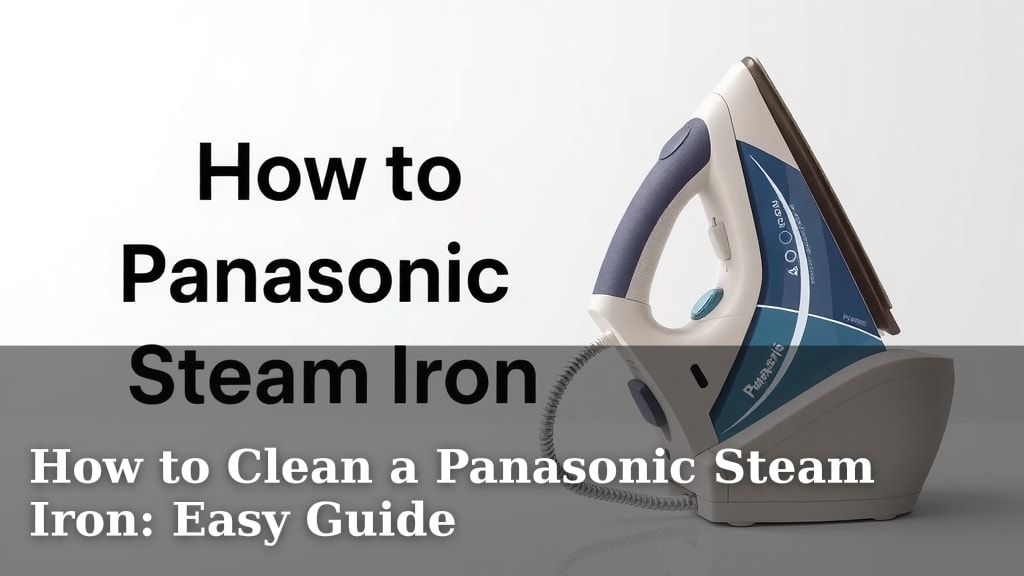
How to Clean a Panasonic Steam Iron: Easy Guide
The easiest way to clean your Panasonic steam iron is by using a damp cloth and a bit of white vinegar. You can also use a cleaning solution specifically made for irons. This helps remove mineral buildup and keep your iron working smoothly. It’s a simple process that makes a big difference.
Mineral deposits can clog the steam vents. This can cause brown stains to appear on your clothes. Regular cleaning ensures your iron releases pure steam. Many Panasonic iron models have self-cleaning features. Knowing how to clean it manually is still important.
- Unplug your iron first.
- Use a damp cloth to wipe the soleplate.
- Try white vinegar for tough spots.
- Check your manual for specific Panasonic cleaning steps.
- Clean the steam vents regularly.
Let’s walk through exactly how to get your Panasonic steam iron sparkling clean, step by step.
Your Panasonic steam iron is a trusty sidekick for wrinkle-free clothes. But sometimes, it needs a little pampering. Mineral deposits from tap water can build up. This gunk can clog steam vents and leave marks on your shirts. Don’t worry, giving it a good clean is usually pretty straightforward. We’ll guide you through it.
Keeping Your Panasonic Iron Sparkling: A Simple Cleaning Routine
Getting your Panasonic steam iron back in tip-top shape is easier than you might think. A little bit of maintenance goes a long way.
Before You Start: Safety First!
The absolute first step is always to unplug your iron. Seriously, don’t skip this. You don’t want any accidental zaps or burns. Let the iron cool down completely. This is important for both safety and to avoid damaging the soleplate. A hot iron can react poorly with cleaning agents.
Cleaning the Soleplate: Banishing Buildup
The soleplate is the metal part that glides over your clothes. It’s prone to getting sticky with fabric finishes or burnt-on residue. Here’s how to tackle it.
Method 1: The Damp Cloth Approach
For light grime, a simple damp cloth often does the trick. Use a soft, non-abrasive cloth. A microfiber cloth is perfect for this. Gently wipe the cool soleplate. This can often remove minor marks and dust. If you use distilled water in your iron, you’ll notice less buildup.
Method 2: Tackling Tougher Stains with Vinegar
When a damp cloth isn’t enough, white vinegar is your next best friend. Research shows that the acetic acid in vinegar is excellent at dissolving mineral deposits and stubborn residue (Cleveland Clinic). Mix equal parts white vinegar and water. Dip a soft cloth into this solution. Wring it out well so it’s just damp, not dripping. Gently rub the stained areas on the soleplate. For really tough spots, you can let the damp cloth sit on the stain for a few minutes. Then, wipe it away. After using vinegar, wipe the soleplate again with a clean, damp cloth. This removes any lingering vinegar smell or residue.
Method 3: Commercial Iron Cleaners
There are also cleaning pastes and solutions made specifically for irons. These can be very effective. Always follow the product instructions carefully. Some require applying the cleaner, letting it sit, and then wiping it off. Others might involve a special polishing step. These are a good option if you prefer a product designed for the task. Many experts recommend these for a deep clean.
| Method | Best For | What You’ll Need |
|---|---|---|
| Damp Cloth | Light dust, minor smudges | Soft cloth, water |
| Vinegar Solution | Mineral deposits, sticky residue | White vinegar, water, soft cloth |
| Commercial Cleaner | Stubborn stains, deep cleaning | Iron cleaning product, follow instructions |
Clearing Out Clogged Steam Vents
Blocked steam vents are the bane of a good ironing session. They lead to uneven steam distribution and those dreaded brown spots. Cleaning them is vital for optimal performance. Many Panasonic models have a self-clean function, but manual cleaning is still key. You can usually find instructions for your specific model in your owner’s manual. For most irons, here’s the general approach.
The Water Flush Method
After you’ve cleaned the soleplate and the iron has cooled, you can often flush the vents. Fill the water reservoir with fresh water. Plug the iron in and let it heat up fully. Once hot, hold the iron horizontally over a sink or an old towel. Press the steam button repeatedly. You should see steam and perhaps some discolored water come out. This is the mineral buildup being flushed away. Repeat this a few times until the steam comes out clear and strong. This method is highly recommended by appliance repair professionals.
Using a Cotton Swab (Carefully!)
For visible gunk around the vent openings, a cotton swab can be useful. Dampen a cotton swab *very lightly* with the vinegar and water solution. Gently clean around the edges of the steam vents. Be careful not to push debris further into the vents. You just want to clean the openings. Don’t use anything sharp or abrasive here. This is a delicate operation, so take your time. You’re aiming for visible residue.
Don’t Forget the Water Reservoir and Exterior
While you’re at it, give the rest of your iron some attention. Empty any leftover water from the reservoir. This prevents mineral buildup when the iron is stored. You can rinse the reservoir with a little clean water. Wipe down the exterior of the iron with a damp cloth. This keeps the whole appliance looking its best. Always ensure the iron is unplugged and cool before wiping the exterior.
Drying and Storage
Proper drying and storage are essential. After cleaning, make sure the soleplate is completely dry. Leave the iron to air dry completely before storing it. Some people like to store their iron upright. Others prefer to store it with the soleplate covered. Whatever method you use, ensure it’s in a safe place where it won’t get damaged. Storing it with the water reservoir empty is always a good practice.
Quick Cleaning Checklist for Your Panasonic Iron
Here’s a handy checklist to keep your iron in great shape:
- Unplug and let cool completely.
- Wipe soleplate with a damp cloth.
- Use vinegar for stubborn stains.
- Flush steam vents with water.
- Clean exterior with a damp cloth.
- Empty water reservoir before storing.
Conclusion
You’ve learned how easy it is to keep your Panasonic steam iron in top condition. A clean iron means smoother ironing and better-looking clothes. Remember to unplug and let it cool before any cleaning. Wiping the soleplate with a damp cloth or a vinegar solution tackles buildup. Flushing the steam vents ensures consistent steam. These simple steps will extend your iron’s life and improve its performance. Make cleaning a regular part of your routine for consistently wrinkle-free results.
Frequently Asked Questions
How often should I clean my Panasonic steam iron?
For best results, aim to clean the soleplate and steam vents of your Panasonic iron about once a month. If you notice any brown spots on your clothes or reduced steam output, it’s time for a cleaning sooner. Consistent cleaning prevents stubborn buildup.
Can I use harsh chemicals to clean the soleplate?
No, avoid harsh chemicals or abrasive cleaners. They can damage the soleplate’s coating and potentially harm your clothes. Stick to gentle methods like a damp cloth, a vinegar-water solution, or products specifically designed for irons.
What kind of water should I use in my Panasonic steam iron?
Your Panasonic iron manual likely recommends using distilled or demineralized water. This type of water has fewer minerals, which significantly reduces the mineral buildup that can clog steam vents and stain clothes. If you’ve been using tap water, you’ll likely need to clean your iron more frequently.
My iron is leaving white residue on clothes, what’s wrong?
White residue is often a sign of mineral buildup within the steam vents or the water reservoir. This happens when minerals from tap water are heated and then expelled onto your clothes. Flushing the steam vents and cleaning the reservoir as described in the guide should resolve this issue.
Is the self-cleaning function enough for my Panasonic iron?
The self-cleaning function is helpful, but it’s not always sufficient on its own. It mainly flushes out loose debris from the steam chamber. You’ll still need to manually clean the soleplate and occasionally flush the vents to remove stubborn mineral deposits and residues. Manual cleaning complements the self-clean feature.