Gravity Feed Iron vs Steam Generator: Professional Comparison
When it comes to keeping your clothes looking crisp and professional, the iron you choose makes all the difference. If you’ve been shopping for a new pressing solution, you’ve probably encountered two main contenders: the gravity feed iron and the steam generator iron. But which one actually deserves a spot in your laundry room?
Think of this decision like choosing between a reliable workhorse and a high-tech power tool. Both get the job done, but they approach the task differently. In this guide, we’re going to break down everything you need to know about these two ironing systems so you can make an informed decision that matches your lifestyle and needs.
What Is a Gravity Feed Iron?
The Basics of Gravity Feed Technology
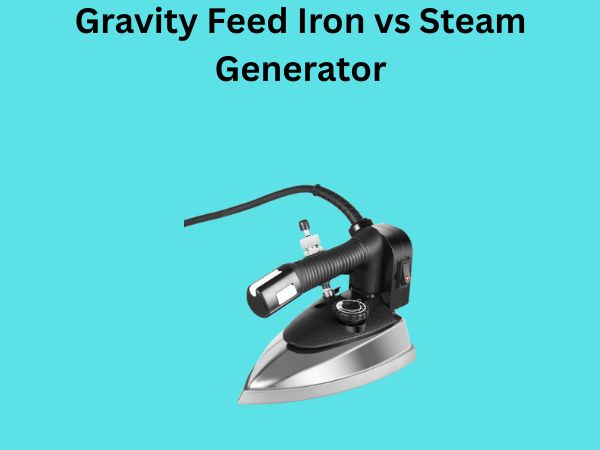
A gravity feed iron is one of the more straightforward ironing systems you’ll find on the market. Essentially, it’s a traditional iron with a built-in water reservoir that sits on top of the pressing head. The water flows down through the iron naturally, using gravity as its primary force, without requiring an electric pump or complex machinery.
This simplicity is actually one of its biggest strengths. There are fewer parts that can malfunction, which means fewer repair headaches down the road. The water supply is often integrated into the handle or sits in a convenient location above the soleplate, making it easy to access and refill when needed.
How Water Distribution Works
The water travels from the reservoir through small channels and exits through vents in the soleplate. The steam production is steady and consistent, though not as powerful as some other options. It’s like a gentle rain rather than a heavy downpour, which actually works beautifully for most everyday fabrics and delicate materials.
The beauty of this system lies in its predictability. You know exactly how much steam you’re getting with each press, and there’s no variation based on water pressure or pump settings. This consistency can actually be a huge advantage when you’re working with fabrics that require a gentler touch.
Understanding Steam Generator Irons
Advanced Technology for Maximum Performance
A steam generator iron is essentially the opposite end of the spectrum when it comes to complexity. This system keeps the water reservoir separate from the iron head itself, with a powerful electric pump constantly pushing heated water to create steam at high pressure.
Imagine the difference between a regular watering can and a professional garden hose with a spray nozzle. That’s roughly how different these two systems are in terms of power and intensity. Steam generator irons produce much more steam volume, and they do it continuously, which means you can press more fabric in less time.
The Pumping System Advantage
The electric pump in a steam generator is what sets it apart. This pump operates independently from gravity, creating consistent pressure regardless of how you angle the iron. You get powerful steam output whether you’re pressing downward, sideways, or even holding the iron vertically for pressing collars and sleeves.
This flexibility in steam output is particularly useful when you’re dealing with stubborn wrinkles or working with heavier fabrics like linen or denim. The concentrated steam pressure can tackle challenges that would take multiple passes with a gravity feed iron.
Heat Distribution: Where the Real Difference Lies
Temperature Control in Gravity Feed Models
Gravity feed irons typically feature straightforward temperature controls. You dial in your desired heat level, and the iron maintains that temperature consistently. The soleplate heats up and distributes warmth evenly across its surface, which works wonderfully for maintaining a good pressing technique.
However, the heat recovery time can be a bit slower in these models. Once you apply the iron to a damp piece of fabric, the soleplate loses some of its heat, and it takes a moment to recover before you can press another section effectively. If you’re ironing large batches of laundry, this can add noticeable time to your overall task.
Superior Heat Distribution in Steam Generators
Steam generator irons usually feature larger, heavier soleplates that retain more heat. This thermal mass means the temperature stays more stable even when you’re actively pressing multiple pieces of clothing in succession. The iron cools down less dramatically because of its increased heat capacity.
Additionally, many steam generators have adjustable steam settings that work independently from the temperature control. This means you can fine-tune your pressing experience more precisely. You might use low heat with high steam for delicate fabrics, or high heat with moderate steam for tougher wrinkles.
Soleplate Quality and Durability
Materials and Construction
The soleplate is arguably the most important component of any iron, and here’s where you’ll notice significant differences. Gravity feed irons often feature smaller soleplates with lighter construction, using materials like ceramic or aluminum coating. These are perfectly adequate for regular use, but they’re not built to withstand the demanding professional work schedules.
Steam generator irons typically invest in stainless steel soleplates with advanced surface treatments. These are thicker, more durable, and resist scratching and staining much better than lighter alternatives. They’re designed to handle the increased steam pressure and frequent use without degrading.
Longevity and Maintenance Concerns
A quality gravity feed iron might last you five to seven years with regular use and proper care. Steam generator irons, despite their higher price point, often last ten to fifteen years or longer because of their robust construction.
The soleplate on a gravity feed model can develop mineral deposits more easily, and descaling becomes necessary more frequently. Steam generators require descaling too, but their larger water tanks and more sophisticated heating systems often handle mineral buildup more effectively.
Water Capacity and Refilling Frequency
Gravity Feed Iron Water Tanks
Gravity feed irons typically have smaller water reservoirs, usually holding between 200 to 400 milliliters of water. This means you’ll be refilling more frequently, especially if you’re working through a large pile of laundry. For someone ironing just a few items or doing light maintenance pressing, this isn’t a major inconvenience.
The frequent refilling actually serves as natural breaks in your ironing session. You get moments to rest your arm and check on other household tasks. Some people find this rhythm helpful rather than burdensome.
Steam Generator Water Tank Capacity
Here’s where steam generators really flex their muscles. These systems often feature water reservoirs holding 1 to 2 liters, meaning you can press for extended periods without stopping to refill. For professional pressers or families managing large quantities of clothing, this is a game-changer.
Imagine ironing without interruption for an hour or more. You can establish a rhythm, develop a workflow, and complete your task more efficiently. The tradeoff is that the water tank is separate from the iron itself, so you need adequate counter space to accommodate the system.
Ease of Use and Convenience Factors
Setup and Operation for Gravity Feed Models
Gravity feed irons are incredibly straightforward to use. Fill the tank, plug it in, wait for the light to indicate it’s ready, and start pressing. There’s minimal learning curve, and most people can pick one up and use it effectively within minutes.
The compact design means it’s perfect for apartments, small laundry rooms, or travel situations. You can store it easily in a closet or under a bed, making it ideal for people who don’t have dedicated laundry spaces.
Convenience and Workflow with Steam Generators
Steam generators require a bit more setup. You need space to position both the water tank and the iron head, and you should allow extra time for the system to reach full operating temperature. However, once everything is set up and running, the convenience is undeniable.
The continuous steam output means fewer passes over the same area of fabric, and the consistent heat means you can move more quickly. If ironing is something you do regularly, the initial setup inconvenience pays dividends in saved time during actual pressing.
Cost Comparison and Value Assessment
Budget-Friendly Gravity Feed Options
Gravity feed irons are generally the more affordable option, with quality models available in the $30 to $100 range. This makes them accessible to virtually everyone, regardless of budget constraints. They offer excellent value for casual users who aren’t dealing with heavy laundry loads.
If you’re ironing just a few items per week, spending less money upfront on a gravity feed model makes financial sense. You get adequate performance without overspending on features you don’t need.
Premium Investment in Steam Generators
Steam generator systems are considerably more expensive, typically ranging from $150 to $400 or even higher for professional-grade models. This might seem steep initially, but when you calculate the cost per use over the lifetime of the appliance, the math becomes more favorable.
If you’re managing a household of four or more people, running a cleaning service, tailoring business, or simply someone who despises ironing and wants to complete the task as quickly as possible, the investment pays for itself through time savings and durability.
Safety Considerations and Features
Gravity Feed Iron Safety
Gravity feed irons are inherently simpler, which means fewer safety concerns. There’s no pressurized system that could malfunction, no complex electronics that could fail unexpectedly. The main safety considerations are standard iron safety: avoiding burns, ensuring proper ventilation, and using the appliance on a stable surface.
The risk of steam burns is present but typically less severe than with steam generators since the steam output is gentler. Children and pets are less likely to experience serious injuries if they accidentally contact the steam from a gravity feed model.
Steam Generator Safety Features
Steam generator systems include multiple safety mechanisms because of their increased pressure. Most models feature automatic shutoff switches, pressure relief valves, and thermal cutoffs that prevent overheating or dangerous pressure buildup.
The steam output is more powerful, which means the risk of severe steam burns is higher if proper precautions aren’t taken. Always keep hands and face away from the iron head during steam release, and be especially cautious around children. Most modern steam generators have safety locks and require deliberate action to release steam, making accidental burns less likely.
Maintenance Requirements and Longevity
Caring for Your Gravity Feed Iron
Maintenance for gravity feed irons is minimal but important. Regular descaling is necessary, especially if you live in an area with hard water. You’ll want to empty the water tank after each use to prevent mineral buildup and mold growth inside the reservoir.
Cleaning the soleplate periodically prevents starch buildup and keeps the steam vents from clogging. A simple wipe-down with a damp cloth after ironing takes just a minute and extends the life of your iron significantly.
Maintaining Your Steam Generator System
Steam generators require more thorough maintenance because of their complex systems. Regular descaling is crucial since mineral deposits can affect pump performance and steam quality. Most manufacturers recommend descaling every 100 hours of use or monthly, whichever comes first.
The water tank needs regular cleaning to prevent algae and mold growth, and the pump should be inspected occasionally for proper function. Despite these requirements, many users find that steam generators actually require less frequent deep cleaning of the soleplate because the higher steam pressure naturally clears mineral deposits and residue.
Best Use Cases for Each System
When a Gravity Feed Iron Makes Sense
Choose a gravity feed iron if you’re a light to moderate ironer who prefers simplicity and affordability. They’re perfect for college students, apartment dwellers, or anyone who doesn’t have much storage space. If you’re ironing delicate fabrics regularly, the gentler steam output is actually advantageous.
They’re also ideal for travel since they’re compact and lightweight. If you need to pack an iron for a business trip or vacation, a gravity feed model is far easier to manage than a bulky steam generator system.
When to Invest in a Steam Generator
Steam generators make sense if you’re ironing more than five hours per week, managing a large household, or dealing with heavy or stubborn fabrics regularly. If ironing is a significant part of your routine rather than an occasional chore, the time savings justify the investment.
Professional pressers, tailors, and laundry service businesses should absolutely consider steam generators. They’re also excellent for anyone who wants to speed up the ironing process significantly or who struggles with joint pain and arthritis, since steam generators require less physical effort and pressure.
Environmental Impact Considerations
Energy Consumption Differences
Gravity feed irons are generally more energy-efficient since they have simpler heating elements and less electricity-consuming components. They use between 1200 to 1800 watts, relatively modest for household appliances.
Steam generators use more energy, typically between 2000 to 2800 watts, because they’re constantly heating and pressurizing water. However, this higher power consumption is offset by reduced ironing time. You might use more electricity per hour, but you complete the task in less time overall.
Water Usage and Sustainability
Gravity feed irons use less total water per ironing session since the tanks are smaller. However, steam generators, while using more water in absolute terms, often achieve better results with fewer passes over each piece of fabric, which can balance out the difference.
If environmental impact is a primary concern, using distilled water and descaling regularly with both systems helps preserve water resources by extending appliance lifespan and maintaining efficiency.
The User Experience: What It Feels Like to Iron
Gravity Feed Iron Experience
Ironing with a gravity feed model feels straightforward and meditative. The consistent, moderate steam output encourages a methodical approach. You move the iron carefully across fabric, taking your time to ensure wrinkles are properly addressed. Many people find this rhythm relaxing and almost therapeutic.
The lighter weight of the iron means less arm fatigue during extended ironing sessions, which is significant if you have shoulder or wrist issues. You’re not fighting against a heavy appliance, so the physical experience is generally pleasant.
Steam Generator Experience
Ironing with a steam generator feels more powerful and efficient. You’re moving the iron faster, getting results with fewer passes, and the experience is more dynamic. There’s a sense of accomplishment as wrinkles seem to disappear almost instantly under the powerful steam.
The heavier soleplate provides more stability and heat retention, though the overall iron head is still reasonably lightweight. For people who find ironing frustrating and want to complete it quickly, the steam generator experience is far more satisfying.