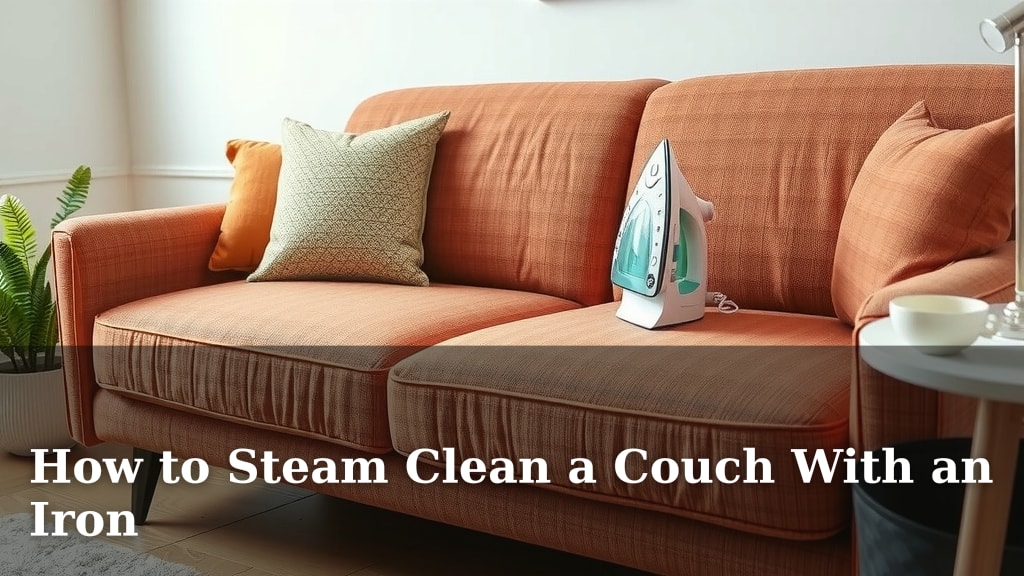
How to Steam Clean a Couch With an Iron
Yes, you can absolutely steam clean a couch with an iron and a few household items. This DIY method can be surprisingly effective for tackling stains and refreshing fabric upholstery without needing a special steam cleaner. It’s a smart way to save money and time.
We’ve found that many people are looking for budget-friendly cleaning solutions. Using an iron and a damp cloth can help lift dirt and odors from your couch. It’s a method that works best on certain types of fabric, so knowing your couch material is important for success. This technique is all about gentle heat and moisture.
- You can clean your couch using an iron.
- This method is great for stain removal.
- It’s a budget-friendly alternative.
- Use a damp cloth and gentle heat.
- Always test on an inconspicuous area first.
Below, we’ll walk you through how to safely and effectively steam clean your couch using just your iron and a few other common items. Let’s get your sofa looking and smelling fresh!
Your Guide to Steam Cleaning Your Couch with an Iron
Using an iron to steam clean your couch is a clever way to refresh its look and smell. It’s a method that relies on simple physics: heat and moisture. This technique works best for certain fabric types, so knowing your couch’s material is your first smart step. We found this method can be surprisingly effective for lifting light stains and odors without special equipment. It’s all about gentle application of heat and steam.
Why Try an Iron for Couch Cleaning?
Many people look for cost-effective cleaning solutions. If you don’t have a dedicated steam cleaner, your iron can step in! Research shows that heat and moisture can help break down dirt and kill some bacteria. This DIY approach can save you money and the hassle of renting or buying a bulky machine. Plus, it’s a great way to tackle those everyday spills and smells that seem to love couch fabric.
Understanding Your Couch Fabric: The First Step
Before you even think about reaching for the iron, you need to know what your couch is made of. Not all fabrics react well to heat and moisture. This is a critical safety step. You’ll often find this information on a tag underneath the cushions or on the couch frame. Common upholstery fabrics include cotton, linen, polyester, and microfiber. Some natural fibers can shrink or get damaged by too much heat. Synthetics might melt. Always check!
Fabric Codes You Might See
Manufacturers often use codes to indicate cleaning methods. We found these codes are super helpful:
- W: Use water-based cleaners. This is your best bet for the iron method.
- S: Use solvent-based cleaners only. Water can damage these. Skip the iron.
- W/S: You can use either water-based or solvent-based cleaners. Be cautious with water.
- X: Clean with vacuuming or brushing only. No liquids or steam.
If your couch has an ‘S’ or ‘X’ code, this iron method isn’t for you. Proceed with caution if you have ‘W/S’ fabrics.
Gathering Your Supplies for the Iron Steam Clean
You likely have most of these items already. It’s a straightforward setup. You’ll need:
- Your trusty iron (one with a steam setting is ideal).
- A clean, white microfiber cloth or towel. White is important to prevent color transfer.
- A bowl or spray bottle filled with distilled water. Distilled water prevents mineral buildup in your iron.
- A small, clean spray bottle (optional, for spot treating).
- Your vacuum cleaner with an upholstery attachment.
Having a helper can be nice, but this is a solo mission you can absolutely manage!
Preparing Your Couch for Steam Cleaning
You want to start with a clean slate. Think of it like prepping a canvas before painting. This ensures you’re not just pushing dirt around.
Step 1: Vacuum Thoroughly
First, give your couch a good vacuum. Use the upholstery attachment to get into all the nooks and crannies. Remove crumbs, pet hair, and loose debris. This step is more important than you might think. It prevents dust from turning into mud when you add moisture.
Step 2: Spot Test in an Inconspicuous Area
This is non-negotiable. Find a hidden spot on your couch, perhaps on the back or underneath a cushion. Dampen a small corner of the cloth and lightly press it with the warm iron. Wait for it to dry completely. Check for any discoloration, water spots, or fabric damage. If all looks good, you’re cleared to proceed!
The Steam Cleaning Process: Step-by-Step
Now for the main event! This process uses the iron’s steam function to lift dirt and refresh the fabric. Remember, we’re aiming for gentle, not scorching hot. Many cleaning guides suggest starting with the lowest effective heat setting.
Step 1: Prepare the Cloth and Iron
Fill your iron’s water reservoir with distilled water. Set your iron to a low to medium heat setting. Make sure the steam function is turned on. You don’t need the iron to be scorching hot; you just want it to produce steam.
Step 2: Dampen the Cloth
Take your clean white microfiber cloth. You want it damp, not soaking wet. Wring it out thoroughly. If you’re using a spray bottle, you can lightly mist the cloth. A good test is to hold it up – it should feel moist but not drip when you squeeze it.
Step 3: Apply Steam to the Couch
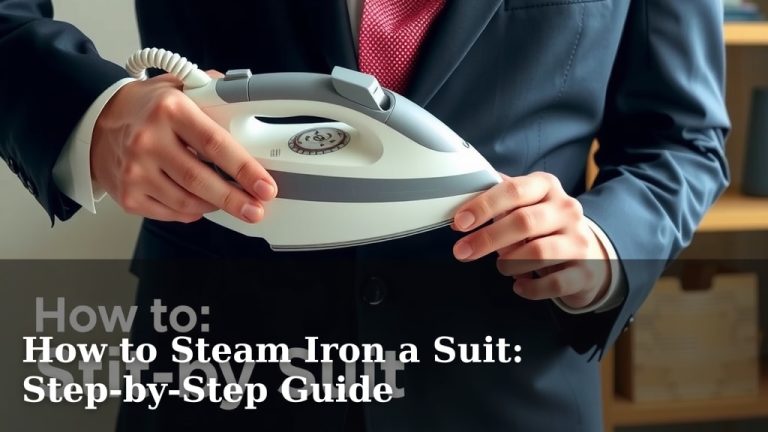
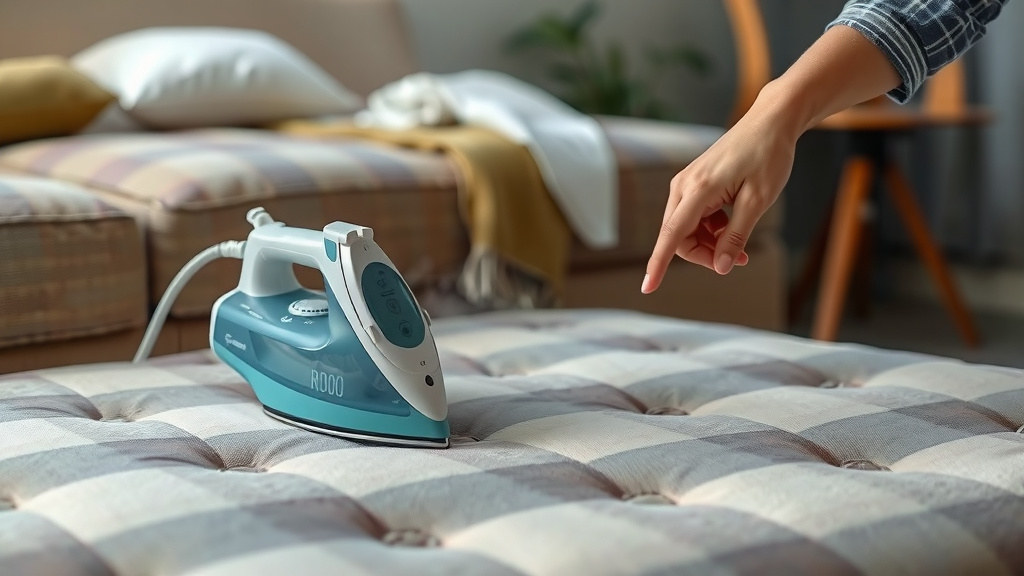
Lay the damp cloth flat over a section of your couch. Now, place the warm iron on top of the damp cloth. Gently move the iron over the cloth in slow, steady strokes. Do this for about 10-15 seconds per section. The heat from the iron will create steam that penetrates the cloth and into your couch fabric. This helps loosen dirt and odors. Don’t press too hard, and avoid lingering in one spot to prevent overheating or damaging the fabric.
Step 4: Work in Small Sections
It’s best to tackle your couch in manageable sections, perhaps a cushion at a time or a small area of the armrest. Overlap your steamed sections slightly. This ensures even cleaning and prevents water spots from forming. After steaming a section, lift the cloth and let the area air dry a bit before moving on. You should see the fabric start to look a little brighter.
Step 5: Addressing Stubborn Stains
For tougher spots, you might need a little extra attention. Lightly spray the stain with a bit of distilled water (don’t saturate it). Then, repeat the steaming process over the damp cloth on that specific spot. Sometimes, a gentle blotting motion with the damp cloth *after* steaming can help lift the stain further. Always be gentle; you don’t want to scrub and damage the fibers.
Post-Cleaning Care and Drying
Once you’ve steamed your entire couch, or the sections you wanted to refresh, it’s time for the finishing touches. Proper drying is key to a fresh couch and preventing mildew.
Allow for Adequate Drying Time
Let your couch air dry completely. This could take several hours, depending on humidity and how much moisture you used. Open windows and turn on fans to speed up the process. You can also use your vacuum cleaner’s upholstery attachment to go over the couch again once it’s dry. This helps to lift the nap of the fabric and restore its texture.
Check for Lingering Odors or Stains
After drying, give your couch a sniff test. If any musty odors remain, you might need to repeat the process or try a different method for that specific area. Inspect for any remaining stains. While this method is great for general refresh, deep-set or old stains might require professional cleaning or specific upholstery cleaners.
When This Method Might Not Be Enough
While using an iron to steam clean is a handy trick, it has its limits. For heavily soiled couches, very delicate fabrics (like silk or antique upholstery), or stubborn, set-in stains, this method may not be sufficient. Always remember to consult your couch’s care tag first. If in doubt, professional cleaning is the safest route. We found that for deep cleaning or restoration, professional services are still the gold standard.
Key Takeaways for a Successful Clean:
- Always check your fabric code.
- Test on an inconspicuous spot first.
- Use distilled water in your iron.
- Keep the cloth damp, not soaking.
- Work in small, manageable sections.
- Allow the couch to dry completely.
Conclusion
You’ve learned how to use your trusty iron to give your couch a refreshing steam clean. This DIY method is a fantastic way to tackle minor stains and odors without special equipment. Remember, always check your fabric type and test in a hidden spot first. By following the steps carefully, using distilled water, and working in small sections, you can significantly brighten your upholstery. If your couch has deep-set stains or delicate fabric, professional cleaning might still be your best bet. For everyday refreshing, though, you’ve now got a smart, budget-friendly technique at your fingertips!
Frequently Asked Questions
Can I use my regular tap water in the iron?
We strongly recommend using distilled water in your iron for this process. Tap water contains minerals that can build up inside your iron, potentially damaging it over time. Mineral deposits can also transfer to your couch fabric, leaving unwanted marks.
How often can I steam clean my couch with an iron?
For general refreshing, you can likely steam clean your couch every few months or as needed. If you’re targeting specific spots or stains, you might do so more frequently, but always allow the fabric to dry completely between cleanings to prevent moisture damage.
What if my couch fabric is delicate like silk or velvet?
If your couch is made of very delicate materials like silk, velvet, or certain antique upholstery, we advise against using the iron steam cleaning method. The heat and moisture can easily cause damage, shrinking, or discoloration. For these fabrics, it’s best to consult a professional upholstery cleaner.
Will this method remove old, set-in stains?
This iron steam cleaning method is most effective for light, fresh stains and general freshening. Older, deeply set-in stains might not come out completely. While you can try repeating the process or spot-treating, very stubborn stains may require specialized upholstery cleaners or professional attention.
How long does the couch need to dry after steaming?
The drying time can vary, but generally, allow several hours for your couch to air dry completely. Factors like humidity, room ventilation, and how much moisture was used will affect this. Using fans or opening windows can help speed up the drying process.