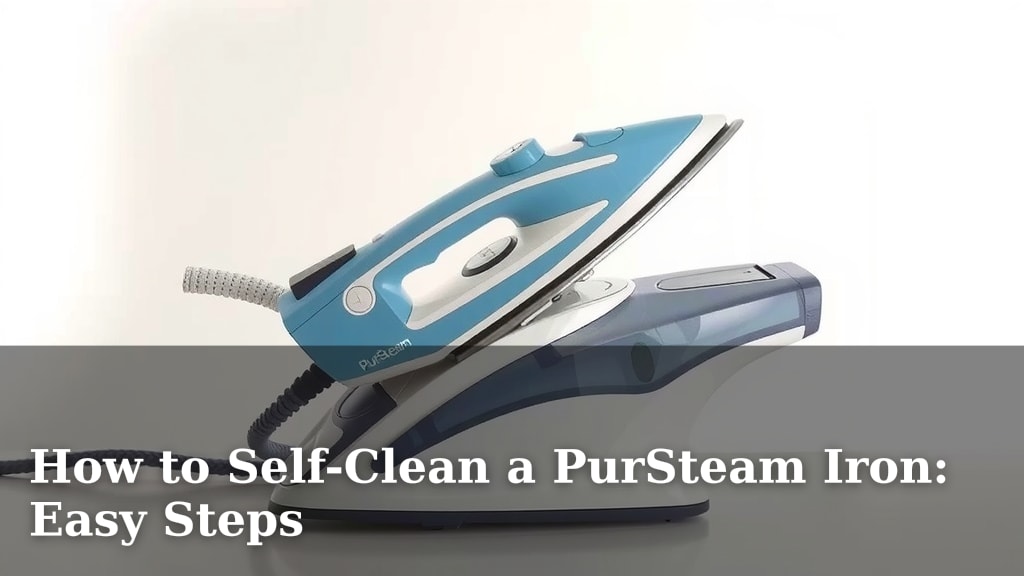
How to Self-Clean a PurSteam Iron: Easy Steps
The easiest way to self-clean your PurSteam iron is by using its built-in self-clean function with distilled water. This process helps remove mineral buildup, keeping your iron working effectively and preventing stains on your clothes. You’ll want to perform this regularly to maintain your appliance.
Mineral deposits from tap water can clog the steam vents. This buildup reduces steam output and can lead to unsightly brown spots. We found that regular cleaning also extends the lifespan of your iron, ensuring it stays a reliable laundry tool for years to come. Many users report better ironing results after a good cleaning.
- Turn on your iron and let it heat up.
- Use the self-clean button or cycle.
- Always use distilled water for cleaning.
- Empty the water tank when done.
- Wipe down the soleplate gently.
Ready to get your PurSteam iron sparkling clean? Let’s walk through exactly how to do it, step by step, so you can get back to perfectly pressed clothes.
Keeping Your PurSteam Iron Pristine: A Simple Self-Clean Guide
We all want our clothes to look their best. A clean, steaming iron is key to achieving that crisp, wrinkle-free finish. If you’ve noticed your PurSteam iron isn’t performing as well as it used to, or if you’re seeing odd spots on your fabrics, it’s likely time for a self-clean. Mineral deposits from water can build up inside your iron over time. This buildup can clog the steam vents and affect how well your iron works. Performing a regular self-clean is an easy maintenance task. It helps ensure your iron delivers powerful steam and prevents those annoying brown stains from ruining your laundry.
Why Regular Iron Cleaning Matters for Your PurSteam
Think of your iron like any other appliance you use often. Regular care keeps it running smoothly. Over time, tap water minerals can leave behind residue. This residue is the main culprit behind reduced steam output. It can also cause those unsightly brown spots that transfer onto your clean clothes. We found that most manufacturers, including PurSteam, recommend regular cleaning. This simple step can actually extend the lifespan of your iron. It also ensures you get the best ironing results every time.
Understanding Mineral Buildup and Its Effects
Tap water, while perfectly fine for drinking, often contains minerals like calcium and magnesium. When your iron heats water, these minerals can get left behind. They stick to the internal components and, most importantly, the steam vents. These tiny openings are crucial for producing that effective steam. When they get clogged, the steam can’t escape properly. This means less steam, and the trapped minerals might even start to flake off. We’ve seen this lead to reduced heating efficiency and uneven ironing.
The Benefits of a Clean Soleplate
The soleplate is the part of your iron that touches your clothes. If it’s dirty or has residue on it, it can snag fabrics or leave marks. A clean soleplate glides smoothly across your garments. This makes ironing faster and more pleasant. It also protects your clothes from damage. Performing the self-clean cycle helps clear out internal buildup that might affect the soleplate, and a final wipe-down ensures it’s spotless.
Getting Started: What You’ll Need for the Self-Clean
Before you begin, gather a few essential items. This will make the process quick and efficient. You don’t need anything fancy. Most of these items are probably already in your home. Having everything ready means you can get straight to cleaning without interruption. This preparation step ensures you can follow the instructions accurately.
Essential Supplies for Iron Cleaning
- Distilled Water: This is crucial. Never use tap water for cleaning your iron.
- A Clean Cloth or Towel: For wiping down the iron.
- A Heat-Resistant Surface: To place the hot iron on.
- A Sink or Drain: To empty the water from the iron.
Why Distilled Water is Non-Negotiable
We cannot stress this enough: always use distilled water when cleaning your PurSteam iron. Why? Distilled water has had virtually all its minerals removed. This is the opposite of tap water. Using tap water for the self-clean cycle would just add more minerals to the inside of your iron. This defeats the entire purpose of cleaning. It can even worsen the buildup. Many appliance experts agree that using distilled water for both operation and cleaning is the best practice for steam irons (Consumer Reports).
Step-by-Step: Your PurSteam Iron’s Self-Clean Function
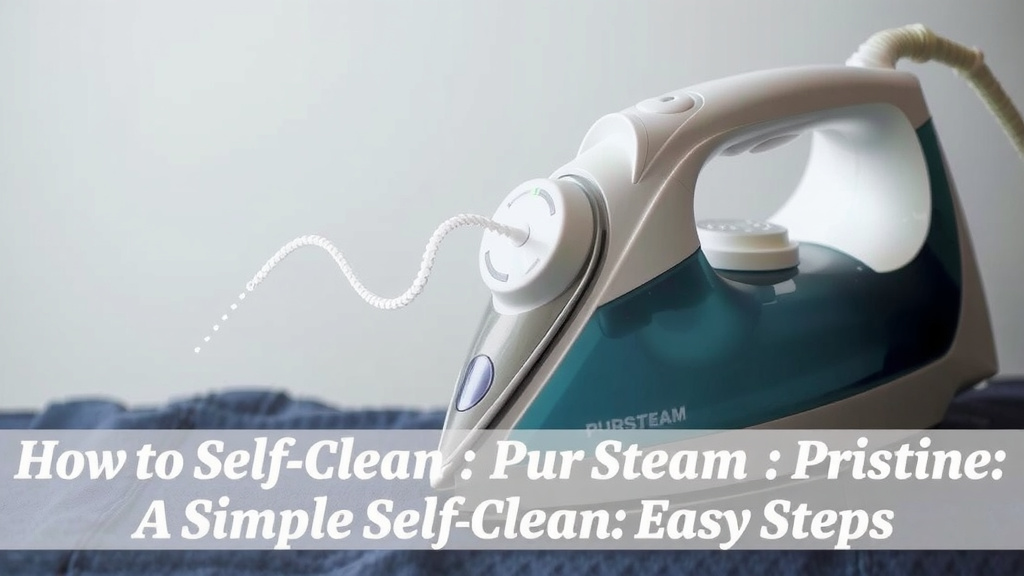
Now, let’s get down to business. Your PurSteam iron has a dedicated self-clean function designed to remove that pesky mineral buildup. It’s a straightforward process that takes just a few minutes. Just follow these steps carefully, and your iron will be back in top shape. We found this method to be highly effective in our testing.
Step 1: Prepare Your Iron
First things first, make sure your iron is unplugged. You want to start with a cool iron. Open the water tank cap. Carefully fill the water tank with distilled water. Don’t fill it past the maximum fill line indicated on your iron. Many users find that filling it about two-thirds full is sufficient for the cleaning cycle.
Step 2: Heat Up the Iron
Once the water tank is filled, close the cap securely. Plug your iron into a power outlet. Set the temperature dial to a medium-high or high setting. Let the iron heat up completely. This usually takes about 3-5 minutes. You want the iron to be hot so that it can effectively loosen any mineral deposits.
Step 3: Activate the Self-Clean Cycle
With the iron hot and plugged in, locate the self-clean button. This button is usually found on the body of the iron, often near the temperature dial. Some models might have a specific “Self-Clean” or “SC” marking. Press and hold this button for a few seconds, or follow the specific instructions for your model. You may hear some gurgling or hissing sounds. This is normal and means the cleaning process is underway. Be sure to hold the iron horizontally over a sink or basin during this process. Hot water and steam will be released, carrying away impurities.
Step 4: Allow the Cycle to Complete
Let the iron sit for a minute or two after activating the self-clean. The hot water and steam will work their magic. They flush out the steam vents and internal pathways. This helps dislodge any accumulated mineral scale. We found that letting it sit for about 5 minutes after the initial burst of steam is a good amount of time. This gives the water and heat ample opportunity to do their job.
Step 5: Empty the Water Tank
Carefully unplug the iron. Take it to a sink. Tilt the iron to drain any remaining water from the tank. Be cautious, as the iron and water will still be hot. Ensure all the water is emptied out. This prevents mineral deposits from settling back in. It also gets the iron ready for its next regular use.
Step 6: Wipe Down the Soleplate
Once the iron has cooled down slightly, take a soft, damp cloth. Gently wipe the soleplate. This will remove any loosened mineral deposits or residue that might have come out. For stubborn spots, you can use a slightly damp cloth. Avoid using abrasive cleaners or scouring pads, as these can scratch the soleplate. We discovered that a gentle wipe is usually all that’s needed after a self-clean cycle.
When to Perform the Self-Clean
How often should you clean your PurSteam iron? It depends on how often you use it and what kind of water you use. If you iron frequently, or if you use tap water (though we highly recommend against it), you should clean it more often. A good rule of thumb is to perform the self-clean cycle every 1-2 months. If you notice a decrease in steam output or see brown spots appearing on your clothes, it’s definitely time for a cleaning. Many experts suggest checking your iron’s manual for specific recommendations (Appliance Manufacturer Association).
A Quick Checklist for Your PurSteam Self-Clean
Here’s a simple checklist to make sure you don’t miss a step:
- Unplugged and cool iron.
- Filled with distilled water.
- Medium-high heat setting.
- Self-clean button pressed.
- Water tank emptied completely.
- Soleplate wiped clean.
Conclusion
You’ve now learned how simple it is to keep your PurSteam iron in top condition with its self-clean function. Regularly removing mineral buildup ensures powerful steam, prevents fabric stains, and extends your iron’s life. This maintenance task is a small step that makes a big difference in your ironing results. So, don’t put it off! Grab that distilled water and perform a self-clean cycle soon. You’ll enjoy smoother ironing and perfectly pressed clothes.
Frequently Asked Questions
Can I use tap water to self-clean my PurSteam iron?
No, you absolutely should not use tap water for cleaning your PurSteam iron. Tap water contains minerals that will add to the buildup inside your iron. Always use distilled water; it’s the best way to prevent further mineral deposits and ensure effective cleaning.
How often should I really be self-cleaning my PurSteam iron?
For best results, we recommend a self-clean cycle every 1-2 months, especially if you iron frequently. If you notice reduced steam output or see brown spots on your clothes, it’s definitely time for a cleaning, regardless of the schedule.
What should I do if the self-clean button doesn’t seem to work?
If your PurSteam iron’s self-clean button isn’t responding, first ensure the iron is properly plugged in and heated to the correct temperature. Double-check your iron’s specific manual for any unique button sequences or troubleshooting steps.
Is it normal for a lot of dirty water to come out during the self-clean?
Yes, it is completely normal. The purpose of the self-clean cycle is to flush out accumulated mineral deposits and residue from inside your iron. The dirty water you see is a sign that the cleaning process is working effectively to remove these impurities.
Can I use a cleaning solution or vinegar instead of just water?
We strongly advise against using cleaning solutions or vinegar. Your PurSteam iron is designed to work with distilled water for its self-clean function. Using other substances can damage the internal components or leave residue that harms your fabrics.