How to Do Steam Ironing at Home: Easy Guide
Yes, you can absolutely do steam ironing at home! It’s a simple and effective way to get your clothes looking crisp and wrinkle-free. With the right technique, you can achieve professional-looking results without a trip to the dry cleaners. Learning how to do steam ironing at home is easier than you might think.
Many people wonder if they can get the same fresh look at home. We found that steam ironing works by using heat and moisture to relax fabric fibers. This process helps smooth out stubborn creases. It’s a practical skill for anyone wanting to maintain their wardrobe with minimal fuss.
- Fill your iron’s water tank.
- Select the correct heat setting.
- Glide the iron smoothly over fabric.
- Hang clothes immediately after ironing.
Ready to tackle those wrinkles? Let’s walk through exactly how to do steam ironing at home, step by step, so your garments look their best.
“`htmlMastering Steam Ironing at Home
Steam ironing is a fantastic way to refresh your garments. You can easily get rid of those annoying wrinkles. It’s a skill that makes your clothes look great. We’ll guide you through the process step-by-step.
What You’ll Need for Steam Ironing
Gathering Your Supplies
Before you start, make sure you have everything ready. This makes the ironing process much smoother. You’ll want your iron, a clean ironing board, and of course, your clothes. Having a spray bottle of water can also be handy for stubborn wrinkles.
Choosing the Right Iron
Most modern irons have a steam function. This is what you’ll be using. Look for an iron with a good soleplate. A smooth soleplate glides easily over fabric. We found that irons with adjustable steam settings offer more control. This is especially helpful for different types of materials.
Preparing Your Ironing Board
Your ironing board cover should be clean and smooth. A bumpy or dirty cover can transfer marks onto your clothes. Many covers have a padded layer, which helps. Ensure the board is stable and at a comfortable height for you. This prevents back strain.
Getting Started with Your Steam Iron
Filling the Water Tank
This is a critical first step. Always use distilled or demineralized water. Tap water contains minerals that can build up. This buildup can clog your iron’s steam vents. It can also leave white marks on your clothes. Most iron manuals specify the type of water to use. Fill the tank to the indicated level, usually marked with a “max” line. Never overfill it.
Understanding Heat Settings
Different fabrics require different temperatures. Always check the care label on your garment. This label tells you the recommended heat setting. For delicate fabrics like silk or synthetics, use a low setting. Cotton and linen can handle higher heat. We found that starting with a lower setting is safer. You can always increase it if needed. Many irons have a dial for this. Some have digital controls.
Fabric Guide for Heat Settings
Here’s a quick guide we put together:
| Fabric Type | Recommended Heat Setting | Steam Setting |
|---|---|---|
| Synthetics (Nylon, Polyester) | Low | Low or Off |
| Silk | Medium-Low | Low |
| Wool | Medium | Medium |
| Cotton | High | High |
| Linen | Very High | High |
Heating Up the Iron
Once filled and set, plug in your iron. Select your chosen heat setting. Allow the iron to heat up fully. Most irons have an indicator light that turns off when ready. This usually takes a few minutes. Don’t rush this part. An iron that isn’t hot enough won’t remove wrinkles effectively.
The Steam Ironing Technique
Ironing Different Garments
Start with simpler items. T-shirts and pillowcases are good practice. Then move on to more challenging pieces like shirts and trousers. Always iron on the inside of delicate fabrics. This prevents shine marks. For items with prints or embroidery, turn them inside out. This protects the design.
Proper Ironing Motion
Place the fabric smoothly on the ironing board. Hold the iron by the handle. Gently glide the iron over the fabric. Use smooth, even strokes. Avoid pausing for too long in one spot. This can scorch the material. Let the steam do the work. For collars and cuffs, iron from the edges inward. This prevents fraying.
Tackling Stubborn Wrinkles
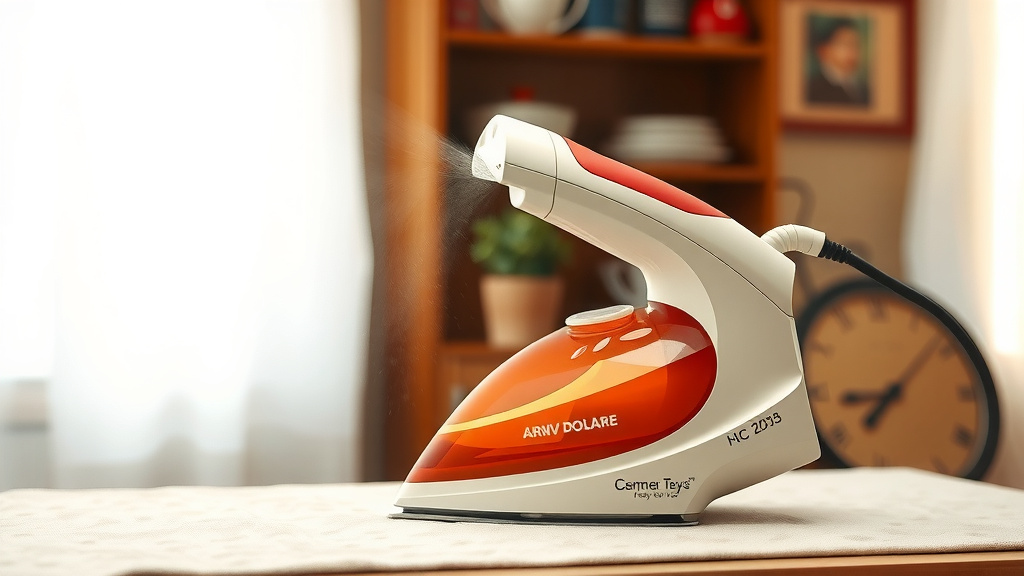
If a wrinkle is being difficult, use more steam. You can also lightly mist the area with water from your spray bottle. Then, iron over it again. For very stubborn creases, some irons have a “burst of steam” feature. This provides extra power when you need it most. Pressing the button releases a concentrated puff of steam. We found this to be very effective.
Hanging Clothes Immediately
As soon as you finish ironing a garment, hang it up. Use a sturdy hanger. This allows the fabric to cool and set. It prevents new wrinkles from forming. If you lay clothes flat, they might crease again. Allow them to cool completely before wearing or folding.
Tips for the Best Results
Here’s a quick checklist to ensure you’re doing it right:
- Always check garment care labels.
- Use distilled water in your iron.
- Test heat settings on an inconspicuous area.
- Iron on the inside of delicate or printed fabrics.
- Hang clothes immediately after ironing.
- Clean your iron’s soleplate regularly.
Following these steps will help you achieve wonderfully smooth clothes. You’ll be amazed at how professional your results look.
“`Conclusion
You’ve learned how to transform your wrinkled clothes with steam ironing right at home. By following these simple steps, you can achieve crisp, professional-looking results on your own. Remember to always use distilled water and check your fabric care labels for the best settings. With a little practice, you’ll master the technique and keep your wardrobe looking its best. So, grab your iron and give it a try – you’ll be amazed at the difference!
Frequently Asked Questions
Can I use tap water in my steam iron?
It’s best to avoid using tap water in your steam iron. Tap water contains minerals that can build up over time. This buildup can clog the steam vents and leave white residue on your clothes. We recommend using distilled or demineralized water for optimal performance.
How do I remove really stubborn wrinkles?
For stubborn wrinkles, you can increase the heat and steam settings according to your fabric type. You can also lightly mist the area with water from a spray bottle before ironing. If your iron has a “burst of steam” function, use that for an extra concentrated puff of steam.
What’s the best way to iron delicate fabrics like silk?
When ironing delicate fabrics, always use a low heat setting and minimal steam, or even turn the steam off. It’s also a good idea to iron on the inside of the garment to prevent shine marks. Ensure your iron’s soleplate is clean to avoid snagging or damaging the material.
Why do my clothes sometimes get shiny after ironing?
Shiny patches usually appear when you iron on the right side of certain fabrics, especially synthetics or darker materials. This is often caused by too much heat or friction. To prevent this, always try to iron these items inside out or place a thin cotton cloth between the iron and the fabric.
How often should I clean my steam iron?
Regularly cleaning your iron’s soleplate will ensure it glides smoothly and doesn’t transfer any residue onto your clothes. Most manufacturers recommend cleaning the soleplate after every few uses, especially if you notice any buildup. Check your iron’s manual for specific cleaning instructions.