How to Clean Mineral Deposits From Steam Iron
The easiest way to clean mineral deposits from your steam iron is by using vinegar and water. This simple solution helps break down the buildup inside your iron’s soleplate and steam vents. You can also use a commercial iron cleaner for stubborn spots. Regularly cleaning your iron helps it perform better and last longer, preventing those dreaded brown stains on your clothes.
Mineral deposits, often called limescale, can clog your iron’s steam holes. This can lead to sputtering water and reduced steam output. Ignoring this buildup can damage your iron and leave marks on your garments. Many people find success with common household items, making it an accessible fix for most. We found that a little effort goes a long way in maintaining your appliance.
- Vinegar and water is a top cleaning method.
- Commercial cleaners are also effective.
- Mineral deposits cause sputtering and stains.
- Regular cleaning keeps your iron working well.
- Prevent brown stains on your clothes.
Let’s walk through exactly how to tackle those mineral deposits step by step, so your iron is back to its steamy best in no time.
Tackling Stubborn Mineral Buildup in Your Steam Iron
Mineral deposits, often called limescale, can really make your trusty steam iron misbehave. If you’ve noticed sputtering, brown stains on your favorite shirt, or a general lack of steam power, you’re likely dealing with this common issue. But don’t worry, banishing these mineral deposits is totally doable and can be done with things you probably already have in your kitchen!
Understanding What Causes Mineral Deposits
Your steam iron heats water to create steam. When you use tap water, it often contains minerals like calcium and magnesium. Over time, as the water heats and evaporates, these minerals are left behind. They build up inside the iron, especially in the heating element and steam vents. Think of it like the scale you might see in a teapot or coffee maker. It’s a natural process, but one that needs a little attention.
The Impact on Your Iron and Your Clothes
When these minerals build up, they can clog the tiny steam holes on your iron’s soleplate. This blockage prevents steam from escaping properly. As a result, your iron might start to sputter, spitting out little bursts of hot water instead of smooth steam. This can lead to water spots on your clothes, which are a real bummer when you’re trying to look sharp. In more severe cases, the heat can bake these mineral deposits onto the soleplate, causing those dreaded brown or rust-colored stains that can transfer to your laundry.
Your Go-To Cleaning Solutions
Fortunately, you don’t need fancy gadgets to clean your steam iron. Most experts and manufacturers recommend a few simple, effective methods. We’ve found that these solutions are not only efficient but also budget-friendly.
The Power of Vinegar and Water
This is a classic for a reason. White vinegar is acidic, which helps to break down mineral deposits. It’s a safe and effective way to clean the inside of your iron. Many appliance repair guides suggest this method as a first step (Consumer Reports).
How to Use Vinegar for Cleaning
First, make sure your iron is unplugged and cool. It’s essential to work with a safe appliance. Next, find the water reservoir. You’ll want to create a mixture of equal parts white vinegar and distilled water. For a standard iron, about half a cup of each should be plenty.
Carefully pour this solution into the water reservoir. Then, plug in your iron and set it to a medium-high heat setting. Allow it to heat up for about 5-10 minutes. Once it’s hot, hold the iron horizontally over a sink or an old towel. You’ll want to press the steam button repeatedly. You should see steam, and possibly some discolored water, come out of the vents. This is the mineral deposit leaving your iron!
Keep steaming and pressing the button until the reservoir is nearly empty or until you stop seeing discolored water. You might need to do this a few times. Once you’re done, unplug the iron again and let it cool completely. Then, rinse the reservoir thoroughly with clean, distilled water to remove any lingering vinegar smell.
Using Distilled Water for Regular Maintenance
Did you know that simply using the right kind of water can prevent most mineral buildup? It’s true! Experts recommend using distilled water in your steam iron. Distilled water has had most of its minerals removed. This means there’s less chance for limescale to form in the first place.
Many iron manufacturers strongly advise using distilled water in their manuals. We found that making this small change can significantly extend the life of your iron and keep it performing at its best. If your tap water is particularly hard, this is an absolute game-changer.
When to Consider a Commercial Iron Cleaner
Sometimes, the mineral deposits are just too stubborn for a simple vinegar wash. If you’ve tried the vinegar method and your iron is still acting up, a commercial iron cleaner might be your next best bet. These products are specifically designed to tackle tough limescale.
How to Use Commercial Cleaners
Always follow the instructions on the product label precisely. Every cleaner is a little different. Generally, you’ll likely be pouring the cleaner into the reservoir, heating the iron, and then steaming it out over a sink. It’s crucial to ensure good ventilation when using these products, as they can sometimes release fumes. After using a commercial cleaner, it’s doubly important to rinse the reservoir thoroughly with distilled water to remove any chemical residue.
Cleaning the Exterior Soleplate
Sometimes, mineral deposits or scorch marks can appear on the outside of the iron’s soleplate. This is where those brown stains on your clothes often come from. You can clean these off too!
Gentle Scrubbing for Stains
For light stains, a damp cloth might do the trick. If that doesn’t work, you can try a paste made from baking soda and water. Apply the paste to the cooled soleplate, let it sit for a few minutes, and then gently wipe it away with a damp cloth. Be sure to avoid abrasive scrubbers or harsh chemicals, as these can scratch the soleplate.
The Salt Method for Tough Spots
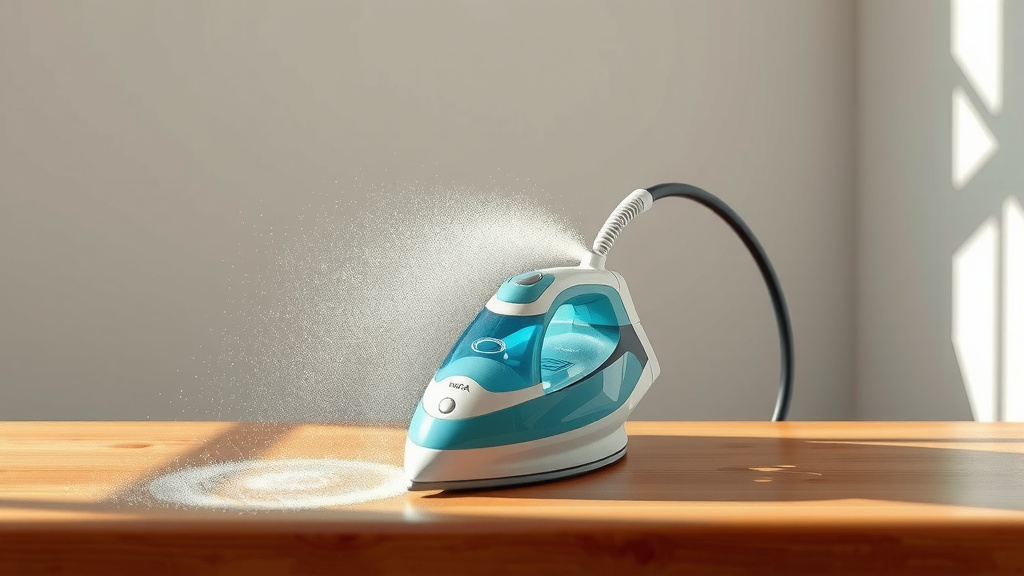
A rather surprising but effective method involves salt! Lay a large piece of paper or an old towel on your ironing board. Sprinkle a generous amount of salt (about a quarter cup) over the paper. Set your iron to a high heat with no steam and unplug it. Then, gently run the hot iron over the salt. The salt should help lift away stuck-on residue. Wipe the soleplate clean with a dry cloth afterward.
A Quick Checklist for Iron Maintenance
Keeping your iron in top shape doesn’t have to be a chore. Here’s a simple checklist to help you remember:
- Always use distilled water in your iron’s reservoir.
- Empty the water reservoir after each use.
- Clean out mineral deposits with vinegar every 1-2 months.
- Wipe down the exterior soleplate regularly.
- If you notice sputtering, address it immediately.
When to Call It Quits
While these cleaning methods are highly effective, sometimes an iron is just too old or too damaged to be saved. If you’ve tried everything and your iron is still leaking, not heating properly, or producing excessive brown gunk, it might be time to consider a replacement. Safety first!
Conclusion
You’ve learned that tackling mineral deposits in your steam iron is simpler than you might think. Whether you’re using the classic vinegar and water solution or a commercial cleaner for tougher jobs, keeping your iron clean is key. Remember, regular maintenance with distilled water and periodic deep cleans will prevent those annoying splutters and brown stains. Your clothes will look better, and your iron will perform like new. Make cleaning your iron a regular habit, and you’ll enjoy perfectly pressed garments every time.
Frequently Asked Questions
How often should I clean my steam iron for mineral deposits?
We recommend cleaning your steam iron with vinegar and water every 1 to 2 months. If you have very hard tap water, you might need to do it more frequently. Checking your iron’s manual is also a good idea for specific manufacturer recommendations.
Can I use regular tap water in my steam iron?
While you can use tap water, it’s not ideal and often leads to mineral buildup. We found that using distilled or demineralized water is the best way to prevent limescale. This simple switch can significantly extend your iron’s lifespan.
What if the vinegar and water method doesn’t remove all the buildup?
If you still see stubborn deposits after trying the vinegar method, a commercial iron cleaner might be necessary. Always follow the product’s instructions carefully and ensure good ventilation. After using any commercial cleaner, rinse the reservoir thoroughly with distilled water.
Is it safe to clean the soleplate with salt?
Yes, the salt method is a surprisingly effective way to remove residue from the soleplate. Just be sure the iron is unplugged and cooled down before you begin. Gently rubbing the hot iron over salt on a piece of paper can lift away gunk without damaging the surface.
My iron is still sputtering after cleaning, what should I do?
If you’ve cleaned your iron thoroughly and it’s still sputtering or leaking, it might indicate a more serious internal issue. Check if there’s any visible damage or if the heating element seems faulty. In some cases, it might be time to consider replacing your iron for safety and performance.