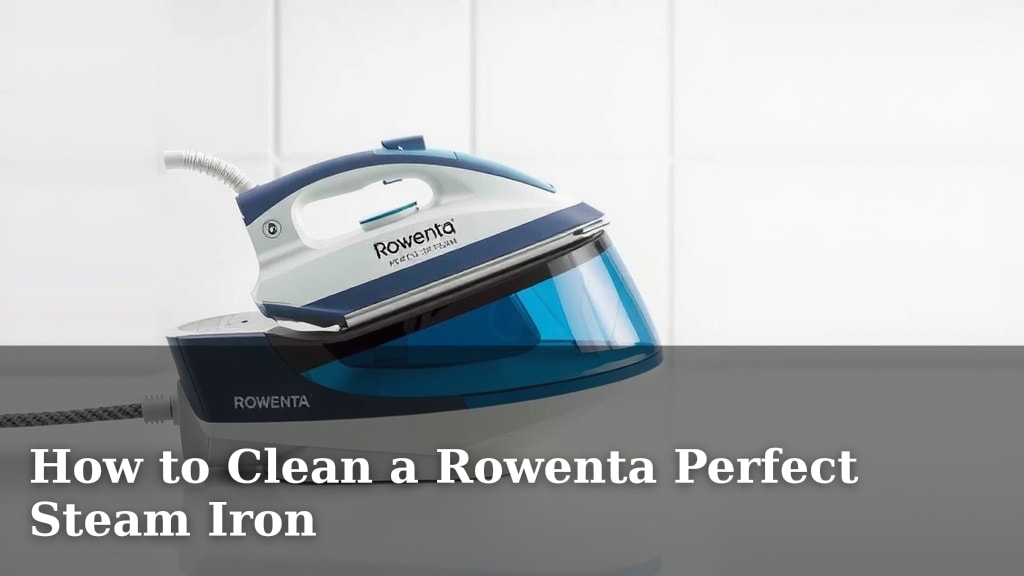
How to Clean a Rowenta Perfect Steam Iron
The easiest way to clean your Rowenta Perfect Steam Iron is by using its built-in self-clean function and a damp cloth for the soleplate. You’ll want to tackle mineral buildup regularly to keep your iron performing at its best. Regular cleaning prevents blockages and ensures smooth steaming.
Mineral deposits can really clog up steam irons over time. This buildup can lead to spitting and staining your clothes. That’s why knowing how to properly clean your Rowenta Perfect Steam Iron is so important for maintaining great ironing results. We found that consistent, simple cleaning steps make a big difference.
- Use the self-clean feature regularly.
- Wipe the soleplate with a damp cloth.
- Descale if mineral buildup is visible.
- Consult your manual for specific instructions.
Let’s walk through exactly how to get your Rowenta Perfect Steam Iron sparkling clean, step by step.
Keeping Your Rowenta Perfect Steam Iron Running Smoothly
Your Rowenta Perfect Steam Iron is a workhorse for crisp shirts and wrinkle-free fabrics. But like any appliance, it needs a little TLC. Mineral deposits from your tap water are the main culprits for a less-than-perfect steam. These can clog steam vents and even stain your clothes. Fortunately, cleaning it is usually straightforward. We found that regular maintenance is key to avoiding bigger issues down the line.
Understanding Mineral Buildup and Your Iron
Tap water contains minerals like calcium and magnesium. When your iron heats up, these minerals can leave behind deposits. Over time, this buildup can get serious. It’s like plaque in your mouth; it hardens and causes problems. These deposits can block the tiny steam holes in the soleplate. This leads to weak or sputtering steam. It can also result in unsightly brown spots on your freshly ironed clothes. Many experts agree that regular descaling prevents this (Cleveland Clinic).
Why Regular Cleaning Matters
Think of cleaning your iron like changing the oil in your car. It’s not a glamorous task, but it keeps the machine performing its best. A clean iron means better steam distribution. This translates to faster, more effective ironing. You’ll also protect your favorite garments from mineral stains. We found that a quick clean every few weeks makes a noticeable difference.
The Simple Self-Clean Function: Your First Line of Defense
Your Rowenta Perfect Steam Iron comes equipped with a helpful self-clean function. This is designed to flush out loose mineral deposits. It’s your go-to method for routine cleaning. You’ll want to use this feature regularly, especially if you have hard water in your area.
How to Activate the Self-Clean Feature
First things first, unplug your iron and let it cool down completely. Safety first, always! Once cool, fill the water tank to the maximum line. Then, plug the iron back in and set it to its highest heat setting. Let it heat up for about five minutes. Now, carefully hold the iron horizontally over a sink. Press and hold the self-clean button. You’ll see hot water and steam escape from the soleplate. This water carries away loose mineral deposits. Keep holding the button until all the water has drained. Repeat this process if you see a lot of debris coming out. We found that running it twice is often enough for a good flush.
After the Self-Clean Cycle
Once the self-clean cycle is complete, unplug the iron. Let it cool down again. Then, carefully wipe the soleplate with a soft, damp cloth. This will remove any remaining residue. Make sure the soleplate is completely dry before storing or using it. This simple step ensures a clean surface for your next ironing session.
Frequency of Self-Cleaning
How often should you use the self-clean function? It really depends on your water. If you have very hard water, you might want to do this every month. For softer water, every two to three months might be sufficient. Many guidelines suggest using it after every 10-15 uses (Rowenta Manual recommendations often suggest this).
Deep Cleaning and Descaling When Needed
Sometimes, the self-clean function isn’t enough. If you notice persistent sputtering, staining, or very weak steam, it might be time for a deeper clean, also known as descaling. This tackles more stubborn mineral buildup.
Gathering Your Supplies
For descaling, you’ll need a few things. White vinegar is a popular and effective choice for breaking down mineral deposits. You’ll also need a soft cloth or sponge. A bowl or basin to hold the iron is helpful, too. Remember to work in a well-ventilated area, as vinegar can have a strong smell.
The Vinegar Descaling Method
First, make sure the iron is unplugged and cool. Empty any remaining water from the tank. Now, mix a solution of equal parts white vinegar and distilled water. Fill the water tank with this mixture. Place the iron horizontally over your sink or basin. Heat the iron to its highest setting. Let it sit for about 10-15 minutes to allow the vinegar solution to work. Then, carefully press the self-clean button. Hot vinegar-water solution will drain from the soleplate. You might need to repeat this draining process several times until the water runs clear. This method is highly recommended by many appliance repair professionals.
Rinsing and Final Wipes
After draining the vinegar solution, refill the water tank with clean, distilled water. Heat the iron up again. Then, press the self-clean button to rinse out any remaining vinegar residue. Repeat this rinsing process with fresh distilled water until you no longer smell vinegar. Finally, unplug the iron, let it cool, and wipe the soleplate with a soft, damp cloth. Ensure it’s completely dry before storing.
Caring for the Soleplate: Beyond the Steam Vents
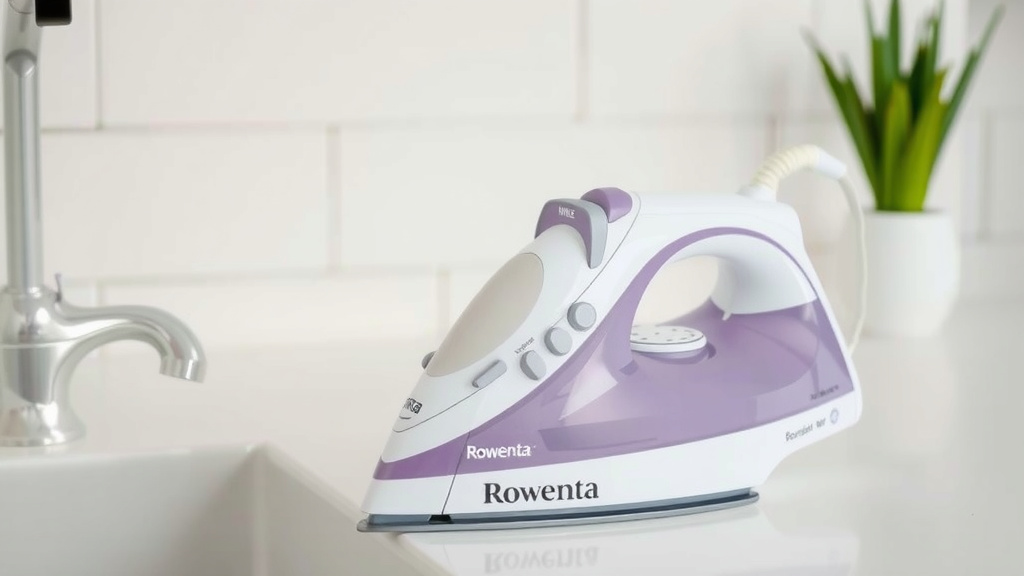
The soleplate is the part that actually touches your clothes. Keeping it clean is just as important as clearing the steam vents. A dirty soleplate can snag fabrics or transfer residue.
Everyday Wiping
After each use, and once the iron has cooled down, give the soleplate a quick wipe. Use a soft, damp cloth. This removes any stray threads or sizing from fabric. It’s a simple habit that keeps your soleplate in good condition.
Tackling Stubborn Stains on the Soleplate
Sometimes, you might get melted fabric or scorch marks. For these, you can try a paste of baking soda and water. Gently rub the paste onto the cool soleplate. Then, wipe it clean with a damp cloth. For tougher spots, some people find success with a specialized soleplate cleaner. Always test any cleaner on an inconspicuous area first. We found that avoiding harsh scrubbing prevents scratches.
Quick Checklist for a Sparkling Iron
Here’s a simple checklist to keep your Rowenta Perfect Steam Iron in top shape:
- Use the self-clean function monthly (or more often with hard water).
- Wipe the soleplate with a damp cloth after every use.
- Descale with vinegar if steam output decreases or staining occurs.
- Always use distilled water for best results, if possible.
- Ensure the iron is cool and dry before storing.
- Consult your owner’s manual for specific model instructions.
Conclusion
You’ve learned how to keep your Rowenta Perfect Steam Iron in top shape! Regular use of the self-clean function and a quick wipe of the soleplate after each use are your best defenses. For tougher mineral buildup, a vinegar descaling treatment can restore performance. By following these simple steps, you’ll ensure your iron continues to deliver excellent results and protect your clothes from stains. Make these cleaning habits part of your routine for consistently smooth ironing.
Frequently Asked Questions
How often should I use the self-clean function on my Rowenta Perfect Steam Iron?
We found that if you have hard water, using the self-clean function monthly is a good practice. If your water is softer, every two to three months should be sufficient. It’s also a good idea to run it if you notice any sputtering or reduced steam output.
Can I use regular tap water in my Rowenta Perfect Steam Iron?
While you can use tap water, Rowenta generally recommends using distilled or demineralized water. Tap water contains minerals that contribute to buildup over time. Using distilled water can significantly extend the life of your iron and reduce cleaning frequency.
What should I do if I accidentally leave water in the iron after cleaning?
If you forget to empty the water, don’t worry too much. Just ensure the iron is unplugged and completely cool. Then, empty any remaining water. It’s best to let it air dry thoroughly before storing it to prevent any residual moisture issues.
Is baking soda safe to use on my iron’s soleplate?
Yes, a paste of baking soda and water can be a safe and effective way to remove minor soleplate stains. Gently rub the paste onto a cool soleplate, then wipe it clean with a damp cloth. We recommend avoiding harsh scrubbing to prevent scratches.
My iron is still spitting water after cleaning, what else can I try?
If cleaning hasn’t resolved sputtering, double-check that the soleplate is completely clean and the steam vents are clear. Ensure you are using the correct heat setting for your fabric. If problems persist, consulting your owner’s manual or Rowenta customer support might be necessary.